
The Client Pitch: 6 Tips for Conducting One Successfully
By Ryane Tully · June 19, 2024

Helpful Summary
Overview: This article provides six essential tips for conducting a successful client pitch.
Why You Can Trust Us: Pitchlane has helped businesses double their meeting bookings through personalized videos. Client testimonials and five-star reviews show how we have helped our users boost client engagement and conversion rates.
Why This is Important: Effective pitching improves client engagement, competitiveness, and conversion rates by clearly communicating value and addressing specific client needs.
Action Points: Try our personalized video solutions. They help you make custom videos for more targeted pitching.
Further Research: Check out Pitchlane’s blog for more strategies for conducting successful pitches.
Want to Conduct More Successful Client Pitches?
With a 27% sales closing rate, most client pitches are unsuccessful.
Here’s the good news though – you can break the ceiling and convert a higher percentage of your prospects. But only if you master the art of pitching clients.
We’ve compiled a guide to crafting a winning client pitch. At Pitchlane, we think that improving your pitches is so important that we developed our own video pitching software.
Ready to win more clients? Here’s how we do it.
Why Trust Us?
We know client pitches as good as anyone.
Take a look at our results. We’ve helped businesses double, triple, or even quadruple their meetings booked with effective video pitching software. Take Erik Paulson for example, thanks to Pitchlane, he increased his meetings booked by 300% and added $14k of MRR in deals.

But don’t take our word for it. Hear Mauricio Valencia say it: “I now believe that signing clients is easy.”

What is a Client Pitch?
A client pitch is a proposal or presentation you make to a potential client to convince them to do business with you. I.e., you must introduce your product or service and explain how it addresses your prospect’s pain points. A good client pitch shows the prospect why your product is the solution to their major pain points.
On hearing the term ‘client pitch’, most people picture a room full of prospects listening with rapt attention and trying to make a decision. That might be the traditional way of doing things, but the sales world has evolved. At this point, many pitches are now made via emails and websites.
What matters the most is focusing on your potential client’s needs and how your product or service meets those needs.
Benefits of a Strategic Client Pitch
Following a strategic approach in pitching clients comes with loads of benefits. Here are a few of them.
Clear Communication of Value Proposition
With a solid pitch, you convey the unique value proposition of your offerings to your prospective customers effectively. You ensure they understand how your product or service addresses their pain points and stands out among alternatives. You want to be taken seriously.
Enhanced Client Engagement
A well-presented pitch must address a potential client’s needs and goals. Show the client that you understand their main pain points. Demonstrating empathy is one way to bond emotionally with your prospects and get them to convert.
Higher Competitiveness
To quote Eminem, you only get “one shot”. Several businesses are competing for the same opportunity – to impress your leads. So don’t forget, you’re often only a single pitch among a sea of pitches.
It’s not enough to have fantastic offerings, you need to provide something a little extra. Prove in no uncertain terms that your product is the right one for the client’s use case.
Improved Conversion Rates
When you show you understand your prospect’s challenges and then solve them, you have a higher chance of winning them over. A rich pitch with relevant data, case studies, and testimonials will increase your conversion rates over the bog-standard “we offer blah blah” pitches.
Different Types of Client Pitches
To conduct a successful client pitch, you need to know the right type to use and how to tailor it effectively. Here are four types of client pitches.
One-line Pitch
This is a captivating one-liner that communicates your main value proposition to your prospects. At a glance, your target audience can see what you’re offering and how it benefits them. A one-line pitch is written in a clear, concise and compelling way to capture the reader’s interest and persuade them to buy from you.
Be concise: tell the prospect what you do, and what problem you solve for them.
Here’s an example:
“Save 40% of your marketing costs when you use our CRM platform.”
At a glance, this one-line client pitch shows the reader you’re capable of helping them save 40% of their marketing costs. It also shows them how you do it – i.e. with your CRM platform.
Use a one-line client pitch for the following purposes:
- Websites banners
- Landing pages
- Email subject lines
- Online ads
- Social media posts
- Cold calls
- Networking events
Elevator Pitch
Famous for its brevity, an elevator pitch is a short, memorable and persuasive description of your product. It gives a precise and accurate description of what your product does. We call this an elevator pitch because you’re expected to pitch a prospective client in about the time span of an elevator ride.
An elevator pitch or speech is usually made for unexpected encounters. It is a condensed version of your full pitch. However, it is not less valuable or effective; it’s just shorter. Here are three things your elevator pitch must do:
- Identify your prospective client’s pain points
- Position your product as the solution
- Call your prospect to action
A successful elevator pitch should make your prospect interested enough to ask for more details.
Email Pitch
There are two types of email pitches. The standard text-based email pitch, and the much more engaging video one.
Text-based email pitch
This kind of client pitch is delivered via email. It’s usually a part of an email campaign. For best results, ensure you put dynamic content in your email pitch. The message in an email pitch must be clear and concise. It must state the value of your product and the problem it solves for the recipient. Here are the components of an email pitch:
1. Subject line
2. Greeting
3. Opening hook
4. Offering/value proposition
5. Call to action (CTA)
6. Closing and signature
Brevity is the name of the game. Many people are too pressed for time to read a several paragraph email. This is not the time to add extended information about how your product works. Make your point in as few words as possible.
Don’t forget to personalize your emails. Personalized emails are more likely to be clicked and read. When recipients see their names and content tailored to their needs, they feel valued. This already creates a great user experience, making it easier to persuade them.
To give your cold email campaigns that personal touch, you need an automated prospecting software like Pitchlane. We provide AI-powered personalization for you to create customized videos, helping you connect with prospects on a personal level.
Product Video Email Pitch
To give your cold email campaigns that personal touch, the best way is with video prospecting software like Pitchlane.
After all, what else can you do when words and pictures are not enough? You try video. Videos make your product stand out among a sea of competitors. A product video client pitch is an effective way to captivate your target audience and get them to buy from you. This video contains your product’s features, benefits, and unique selling point.
Why video? Videos are more engaging than text and keep your readers interested in your offering. What’s more, 59% of marketers say video marketing helps them achieve their goals.
That’s where an AI-powered video prospecting tool like Pitchlane comes in.
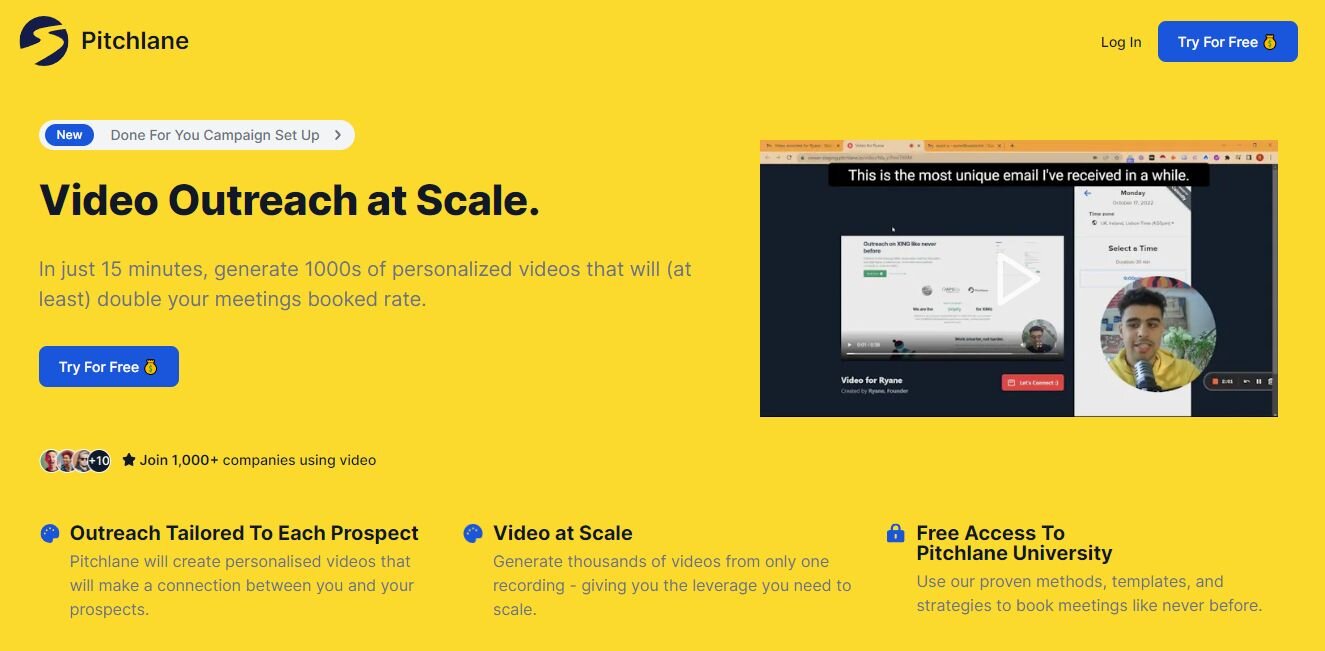
At Pitchlane, we help you create personalized videos for each prospect you want to reach via cold email. The result? You could increase your meetings booked, and reach your prospects more authentically.
With our Loom-style videos, hosted on a landing page with a unique link, you easily track your videos and measure your campaigns’ performance. We also offer Calendly/Savvycal integrations so your prospects can book a meeting directly from the sales page.
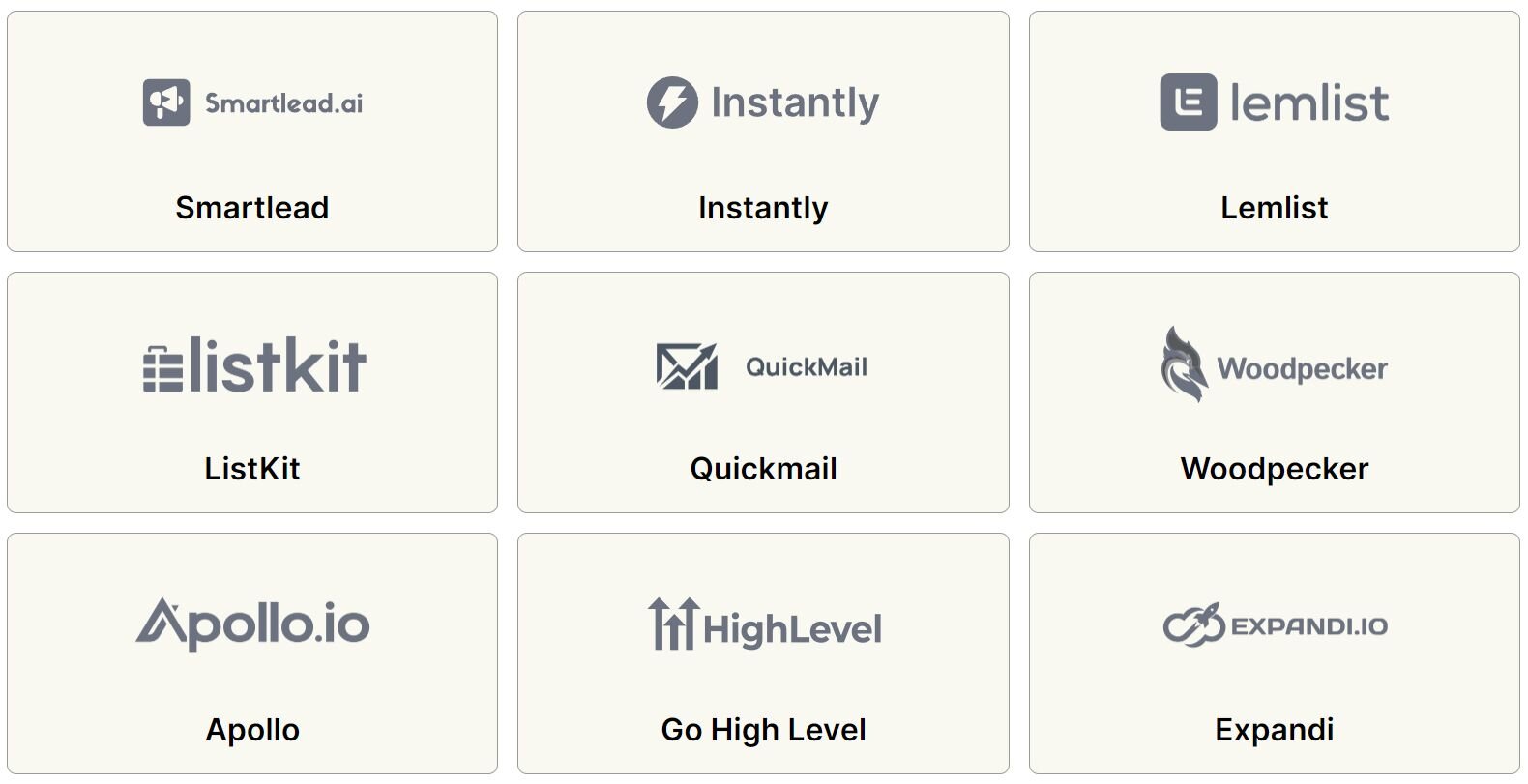
Plus, you get integrations with more than 30 other sending tools. This includes upcoming native integrations with Instantly and Smartlead. What more do you need to make your cold email campaign successful?
Cold Call Pitch
A cold call client pitch involves making first-time unsolicited calls to prospects. The main aim is to introduce your offering, spark an interest and secure a follow-up meeting. Cold-call pitching is great for moving prospects to the next phase of the buying process. And in rare cases, a first-time cold call might lead to a sale.
To conduct a cold call pitch you must prepare adequately, communicate clearly and listen actively. Here are some winning tips to smash your next cold call:
- Research your prospect thoroughly
- Set clear objectives for the call
- Prepare a script that contains the key points of the call
- Ensure your opening is polite and professional
- State the purpose of your call early
- Clearly point out how your offering can benefit the prospect
- Ask open-ended questions
- Manage objections professionally
- Have a clear call to action
- End the call on a positive note
This type of client pitch lets you get immediate feedback from the prospect, giving you a better understanding of their pain points. It also lets you address objections on the spot. Additionally, a cold call pitch allows you to establish a personal connection with prospects, which is not the case with email pitching.
6 Tips for Conducting an Effective Client Pitch
Now that you have a better understanding of a client pitch, it’s time to learn tips and strategies for conducting an effective one.
1. Research Your Audience
Whether you’re pitching via email, cold call or to a room full of decision-makers, you must research your audience first. Find out what your audience’s specific needs and challenges are and tailor your pitch accordingly.
If you’re pitching to a company, do your homework both on them and the industry in general. Show your prospect you understand how their business works and the challenges they face that are relevant to your offerings. When you pitch from an informed position, you show your prospect that you’re serious, reliable and capable in your field.
So, what questions should guide your audience research? If you’re pitching to a business, here are some:
- What’s the company’s vision and mission?
- What are their products or services?
- What level of growth are they at?
- Who are their key decision-makers?
- Who are their major competitors?
- Who is their target audience?
- What industry trend is affecting their business?
- What is their budget for solutions like yours?
- Which alternative to your product are they already using?
2. Have a Clear Value Proposition
The whole point of a pitch is to propose a solution to your prospect’s challenge. So, ensure the recipient is not confused about your value proposition. Be clear about what your offering does and how it benefits the prospect. Avoid talking endlessly about features without showing how those features benefit your target audience.
Stay away from technical jargon as much as possible. Your prospects likely don’t know your industry well, so use it only if it is necessary to make your point. Also, ensure your language is simple and clear so that your prospects can understand your message.
Here’s an example of how we present our value proposition at Pitchlane:
For sales teams that want to increase engagement and boost conversions, Pitchlane is a video prospecting tool that personalizes outreaches, tracks engagement and doubles booked meeting rates.
3. Dazzle With Data
People love statistics. Relevant data helps you create a more credible and compelling pitch. Back up your claims with data that shows you’re knowledgeable about the industry. Including data that proves your results builds credibility with your prospective customers.
For example, saying your product or service helps your clients increase their sales by 40% paints a more vivid picture in your prospect’s mind. The data makes your claim tangible. This enables your prospect to instantly understand the financial benefits of choosing your offering.
4. Tell Stories
Stories make your pitch more captivating. Share the story of how your company came to be and how you arrived at the solution you offer. This shows your human side and builds a connection between you and your prospects.
Case studies can also be easily woven into stories. If you have the right ones, it’s easy for clients to relate to them. Sharing stories about how you have solved the same problem for others helps the prospect trust your brand.
Here’s how Hubspot, the famous marketing giant, tells stories. They explained the story of how Eventbrite was having challenges with their marketing efforts. Having to manage excessively large volumes of data, they needed a coordinated system. Hubspot had to step in with their solution. After adopting Hubspot, Eventbrite experienced a 30% increase in conversion within six months.
5. Leverage Visual Aids
Did you know that marketers who use visual aids increase their revenues 49% faster than those who do not? The reason is simple – visuals are more captivating and engaging. So, if you want to capture your target audience’s attention and keep them engaged, leverage visual aids.
Visuals like infographics, charts, and graphs also simplify complex concepts and data for your audience. This makes them understand and retain important information. And you’ll certainly need this for a successful pitch.
And of course, there are videos. These help you build an emotional connection with your audience. Videos, especially when they’re personalized, evoke emotions that words are incapable of invoking.
There’s a marketing saying that “faces convert”. It’s easier to generate excitement and urgency in a customized video.
Now imagine a platform that can generate thousands of personalized videos in just 15 minutes. That’s personalization at scale and it’s what we do at Pitchlane. Our video and recording feature allows sales reps to record customized client pitches, adding the much-needed human touch. With all your video needs sorted by us, you’re assured of more successful email pitches.

6. Be Prepared for Objections
Questions and objections are normal occurrences during a client pitch. The trick is to come prepared. To do this effectively, find out the common objections in the industry and address them before the pitch. Tailor your responses to these specific concerns.
Before your pitches, take note of common client objections in your industry and for your specific product. These may be about timing, pricing, compatibility or effectiveness. Arm yourself with convincing answers to these questions and objections. By handling objections well, you increase your chances of converting the prospect.
Here are some proven ways to handle objections:
- Listen attentively to the prospect’s concerns without interrupting
- Clarify the objection by paraphrasing it
- Show empathy to validate their concern
- Give a relevant and compelling response to the objection
- Confirm that the prospect is satisfied with the way you have addressed the concern
- Smoothly transition back to the pitch
Pitch to Win With Personalized Videos
Videos clearly have more impact on people than text. So, why not leverage them to conduct successful pitches? Use our innovative solutions at Pitchlane to make your cold email pitches more personal and effective.
Our app lets you personalize videos in your email pitches, upload in bulk, and automate video generation. With these in place, you’re on the right track for effective pitches.
Try Pitchlane for free now and enjoy more successful client pitches.