
What Is Personalization at Scale and How to Do It
By Ryane Tully · March 13, 2024

Helpful Summary
Overview: We cover the best strategies and tools for enabling personalization at scale so you can authentically engage and connect with many customers at the same time.
Why you can trust us: Multiple users have adopted Pitchlane to deliver personalized customer experiences. Our best-in-class software helps create a balance between personalization and outreach volume, ensuring none of them suffer for the other.
Why this is important: In today’s oversaturated market, standing out requires you to prioritize personalization and tailored brand experiences. So, learning the best ways to personalize at scale—like using Pitchlane for extensive video prospecting—is a great investment.
Action points: Try Pitchlane for free, and see how it integrates with your already existing tools to enable personalization at scale.
Further research: Check out our cold email campaign guides to learn more about running large-scale video outreach campaigns via Pitchlane.
Hacking Personalization at Scale
Say it takes you five minutes to customize and offer a tailored experience to one customer or lead. Not so bad right? Cool.
Now imagine trying to do the same thing for a thousand or more individuals. You’ll need at least 8 hours to reach just 100 people. Now that’s a problem, especially since each 9-5 work day is only 8 hours long.
So how do you successfully achieve personalization at scale? This Pitchlane article has all the answers for you. Well…the most important ones anyway.
Why Listen to Us?
As a leading video outreach platform, we’ve catered to thousands of users looking to supercharge their personalized sales campaigns and get more meetings booked.
In the words of sales leader Max Schulz:
“It used to be a battle between personalisation and the volume of outreach we could do - with Pitchlane that’s no longer the case. Hyper-personalisation + hyper scale.”
Our point? We are experts on personalization at scale and we’d like to help you become one too!
What Does Personalization at Scale Mean?
Personalization at scale is all about offering tailored and specific brand experiences to a large number of individuals at (almost) the same time.
Though it’s one of the most common techniques, the concept of personalization goes beyond simply adding a recipient’s first name to email subject lines. It involves incorporating user preferences and dynamic content elements into your communication materials across various channels.
Consider this scenario. You walk into a store and a sales rep attends to you, asking all the right questions and showing only relevant products based on your preferences.
You’d probably leave the store having purchased several items, plus the feeling of being properly understood and valued. Now think about hundreds or thousands of people visiting that exact store, having a similar experience, and leaving with the same feeling as you.
That’s exactly what personalization at scale looks like and you can apply it in various aspects of your business, from marketing to customer support, and of course—sales.
Why Do You Need to Personalize at Scale?
Personalization ensures that every customer feels valued, improving their chances of buying from you, coming back, and referring others.
It Yields Greater ROI: We all love to receive caring, well-thought-out messages. Personalized campaigns attract better responses, drive conversions—and boost ROI—because compared to generic messaging, they show customers that you know and care about them.
It Improves Customer Engagement: A personalized message is more relevant to recipients because it considers their needs, preferences, and key characteristics. It is this relevance that makes your readers or viewers more willing to ask questions, respond to your messages, or just generally interact with your content.
It Drives Sales: Personalization ensures that your prospects only receive prompts to purchase products and services most suitable to them, improving their chances of converting. Consistently personalized experiences also show professionalism and build trust with customers, encouraging them to spend their money on your offering.
It Increases Referrals and Organic Growth: It’s easier for customers to speak well about your brand and recommend you when they have had a good experience.
Happy customers can become your leading advocates, taking the initiative to even share user-generated content, simply because you personalized their experience well. When this happens with multiple customers, organic growth is inevitable.
It Contributes to Customer Retention: Appropriately quantifying prospects’ pain points and speaking with excitement about your offer will help elicit the right emotions to drive conversions. But beyond that, incorporating the emotional element will give you an advantage over competitors even if they offer lower pricing or more features.
How to Do Personalization at Scale
Scaling up your personalization strategies to reach more customers and leads in record time is key for all business functions, especially sales.
Read on for tips and software to help you quickly personalize your communication with multiple customers, showing authenticity and driving revenue growth.
1. Gather Relevant Customer Data
Your personalization is only as good as the customer data you have, as it is this information that helps tailor your messaging sufficiently. And when it comes to personalizing at scale, you’ll need to deal with large volumes of customer data.
This data could include:
- Demographics like name, location, age, birthday, and gender
- Industry or group pain points
- Website and social media information (for B2B leads)
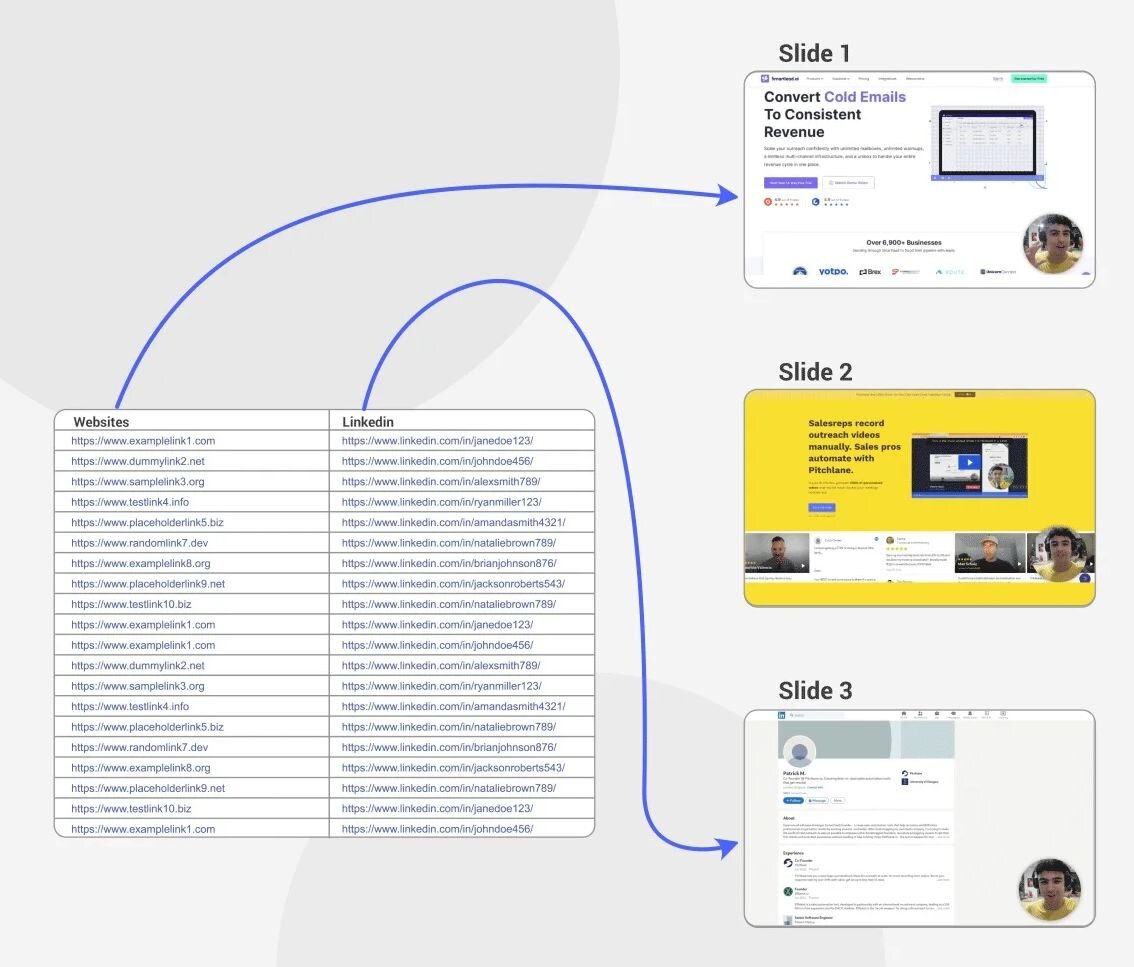
- User preferences based on purchase history, previous feedback, and website page visits
- New product and service requests
- Abandoned cart items (for eCommerce prospects)
The more data you have to work with, the more personal your messages can get.
Also, when looking to connect with multiple people at once while maintaining elements of personalization, it is important to target customer segments with similar characteristics.
2. Choose the Right Software
Trying to scale your personalization activities without automation is like washing clothes with hands instead of a machine—it takes more time and energy and does not necessarily achieve better results.
So what kind of software aids personalization at scale? Depending on your communication goals, you can explore tools like Customer Relationship Management (CRM) systems, email outreach platforms, prospecting software, and more.
For example, Pitchlane is a platform that specializes in video outreach at scale. Our app lets you personalize video messages for individual recipients, enhancing customer engagement and conversion rates.
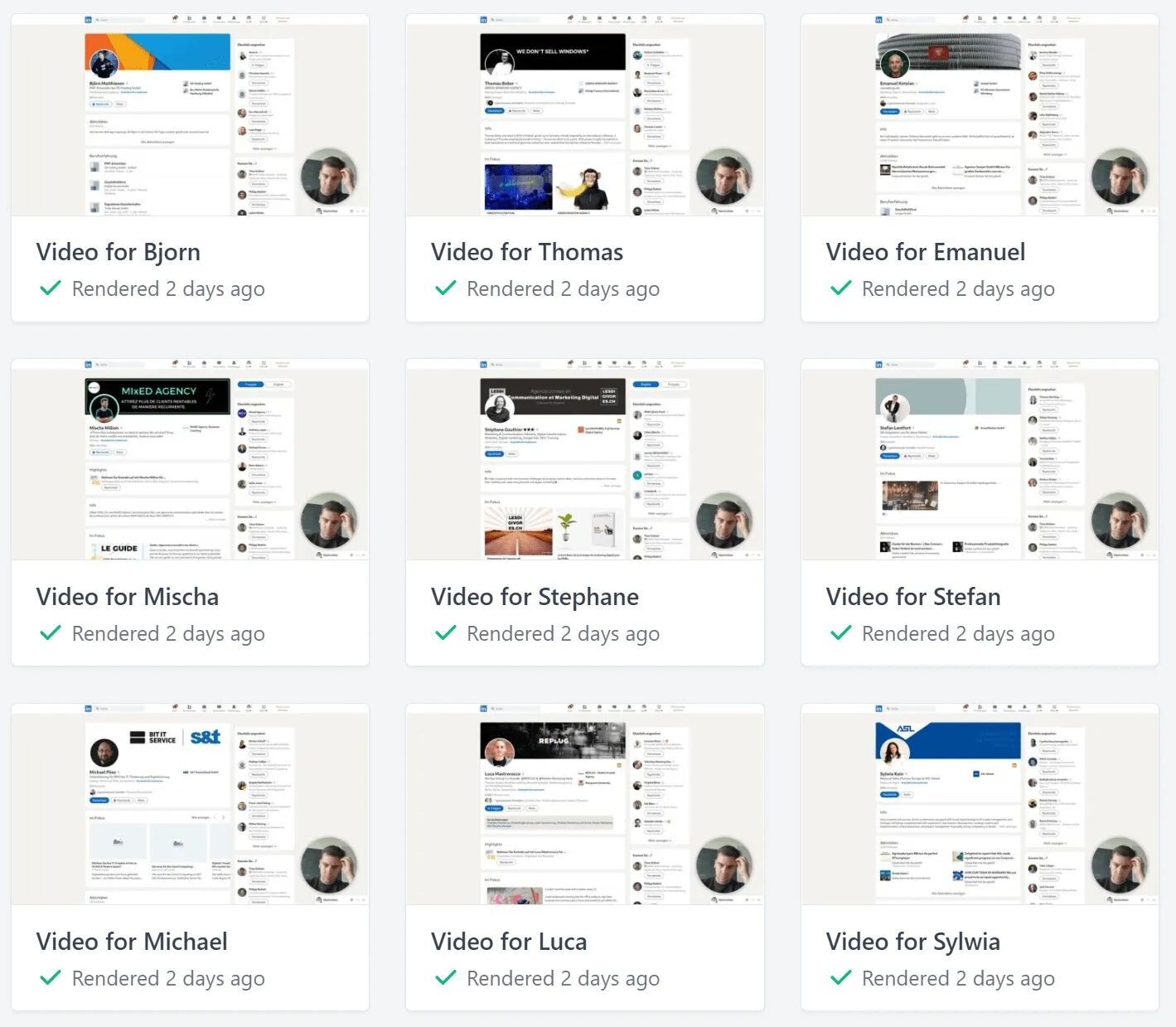
Pitchlane also integrates with top email solution providers so you can easily send out personalized videos to multiple prospects at once.
3. Personalize Your Content
With adequate customer data and the right tools in place, the next step is to craft personalized messages that resonate with your various customer segments.
Say you’re looking to book more meetings with B2B prospects using Pitchlane. You’d need to draft a compelling email copy and a video script that addresses their biggest pain points and excess cost drivers.
Or if you run an eCommerce business, you might focus on crafting abandoned cart reminders and item restock updates. To sell higher subscription plans and feature add-ons to existing users, even SaaS businesses plan content around various stages in the customer journey.
4. Pay Attention to Customer Feedback
When optimizing your personalization strategy, take customer feedback about your brand messaging and experience into consideration. This feedback can be either active or passive and it gives insight into what’s working and what isn’t so you can make necessary adjustments.
Use CSAT surveys and polls to get active feedback (brand-sourced) and prioritize social listening to gather passive feedback (user-initiated).
Don’t just stop at collecting feedback though. Instead, ensure you respond to all feedback, negative or positive. Also, put in the work to improve customers’ sentiments about your brand by implementing any promised changes.
5. Track the Results of your Personalization Strategy
Monitoring how well your personalization activities are working helps you identify areas for improvement. This process involves tracking key metrics like engagement and conversion rates.
To measure these metrics effectively, use analytics tools and dashboards.
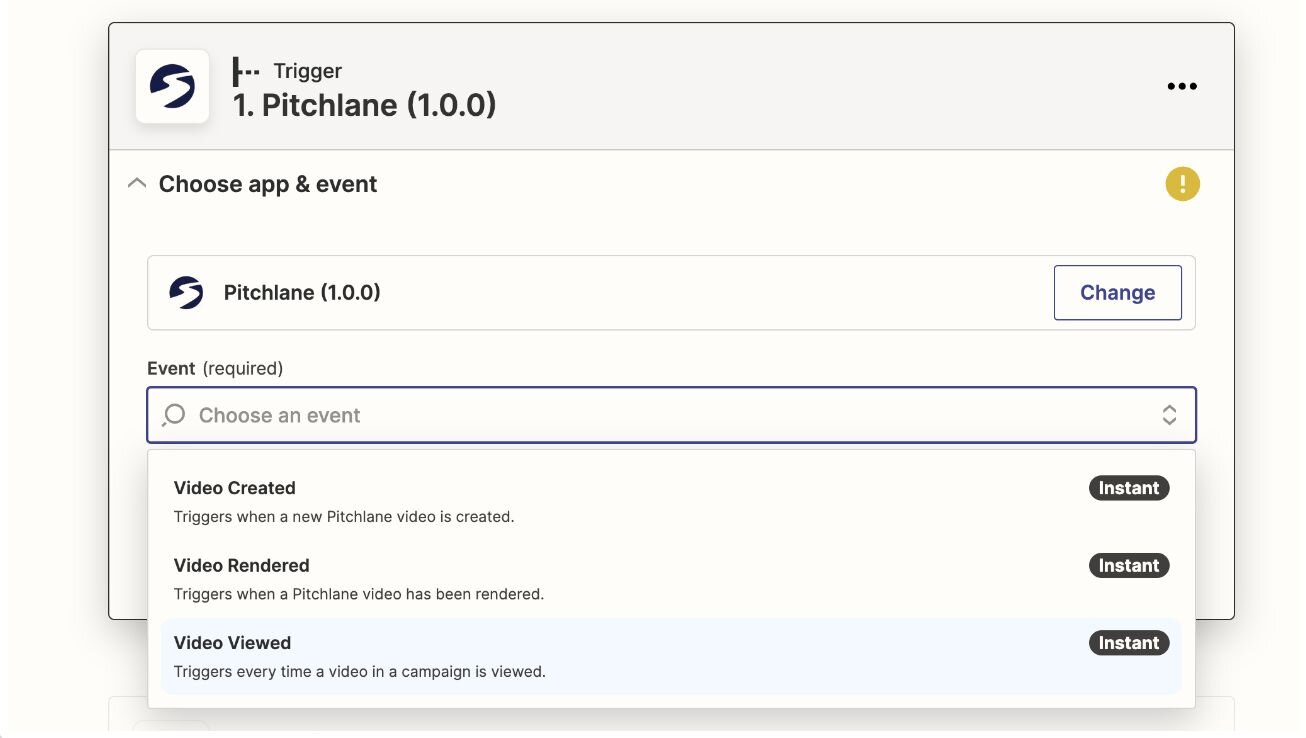
With Pitchlane for instance, you can set up Zapier integrations to monitor your personalized video views and automate follow-up messages accordingly.
Best Practices For Personalization at Scale
Before you dive into your own personalized campaigns, consider the following best practices:
1. Gather and Segment Customer Data
Collect detailed customer data like demographics, purchase history, and preferences. Use CRM systems to manage this data. Segment customers based on common characteristics.
2. Use Advanced Personalization Tools
Leverage CRM systems and email automation platforms that support dynamic content and segmentation. Use tools like Pitchlane for personalized video messages, this enhances engagement and conversion rates.
3. Craft Personalized Content
Incorporate dynamic elements such as personalized greetings and tailored offers. Create personalized video messages for different segments. Customize subject lines and email copy to address specific needs.
4. Automate Where Possible
Set up automated email sequences triggered by customer actions. Ensure your automation tools integrate with your CRM, this allows for real-time personalization.
5. Maintain Consistency Across Channels
Ensure personalized messages are consistent across all touchpoints. Create unified customer profiles for use across channels to maintain consistency in personalization.
6. Prioritize Privacy and Data Security
Ensure compliance with data protection regulations like GDPR and CCPA. Be transparent about data usage and provide options for customers to manage their data preferences.
7. Solicit and Use Customer Feedback
Implement feedback mechanisms to gather customer insights. Use this feedback to adjust your personalization tactics so you meet customer expectations.
8. Monitor and Optimize
Track key metrics like open and conversion rates. Conduct A/B tests to see what works best. Use performance data to refine your strategies.
Use Pitchlane to Scale Up Your Outreach Campaigns
Personalizing your business communications at scale is a killer strategy (especially for outreach campaigns) so you should always be on the lookout for innovative ways to do it.
Here’s where video prospecting with Pitchlane comes in. Our app enables video outreach at scale, integrating with top email automation tools to take your personalization game up a notch.
Try Pitchlane for free today and see just how well and quickly it drives personalization at scale.